
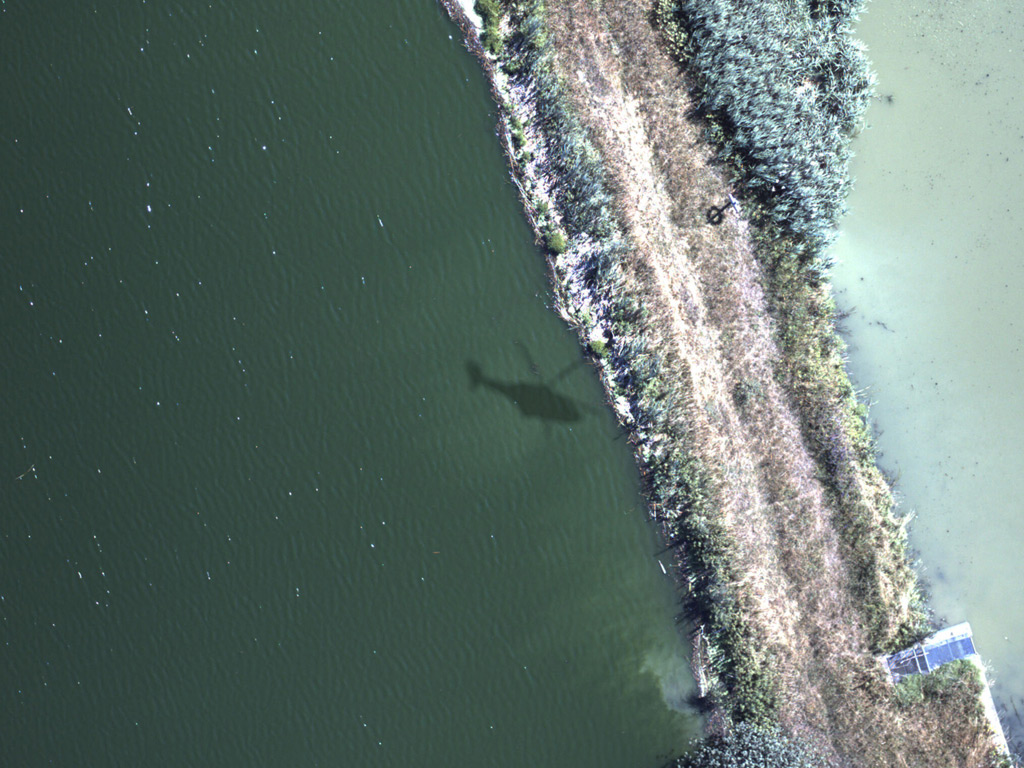
Landfill operators should schedule a surface leak inspection at least quarterly, with additional surveys triggered by specific events such as heavy rainfall, seismic activity, significant changes in waste composition, or any visible signs of gas migration. The exact frequency depends on the size of the site, the age of the landfill, the gas collection system in place, and the regulatory framework that applies to the operator. The sections below address the most common questions operators face when planning their landfill gas monitoring programme.
What triggers the need for a landfill surface leak inspection?
A landfill surface leak inspection is triggered whenever there is a reasonable risk that methane or other landfill gases are escaping the containment system. The most common triggers include extreme weather events, physical changes to the landfill cap, equipment failures in the gas collection network, and regulatory deadlines. Operators should treat both planned and unplanned inspections as essential tools for protecting public safety and meeting compliance obligations.
Specific events that should prompt an unscheduled inspection include:
- Heavy or prolonged rainfall that may saturate the cap and alter gas migration pathways
- Frost and freeze-thaw cycles that can crack surface seals
- Subsidence or visible surface cracking on the landfill body
- Complaints from nearby residents about odours
- Failures or shutdowns in the active gas extraction system
- Changes to waste inputs, particularly the addition of high-organic-content material
- Post-construction work on the cap or liner system
Routine inspections should also be triggered by the passage of time. Even when no visible events have occurred, biological decomposition continues beneath the surface, and gas pressure can build up and find new pathways without any external warning signs.
How often should landfill surface inspections be scheduled?
Most regulatory frameworks and industry best practice guidance recommend landfill surface inspections on a quarterly basis as a minimum. Sites with active gas collection systems, high organic waste content, or proximity to residential areas may require monthly monitoring. Closed landfills still generating gas should maintain at least a semi-annual inspection schedule.
The right frequency depends on several site-specific factors:
- Site age and gas generation phase: Younger, actively decomposing landfills generate more methane and require more frequent checks
- Regulatory classification: National and EU-level regulations may set minimum inspection intervals that override operator discretion
- Gas collection system performance: Sites with robust extraction infrastructure may tolerate slightly longer intervals between surveys, provided real-time monitoring is in place
- Proximity to sensitive receptors: Schools, hospitals, or residential buildings nearby increase the risk profile and justify more frequent inspections
Operators should document their inspection rationale clearly. Regulators increasingly expect a written justification for the chosen inspection frequency as part of broader landfill gas monitoring programmes.
What are the best conditions for conducting a landfill gas survey?
The best conditions for a landfill gas survey are calm, dry weather with low wind speeds, stable atmospheric pressure, and moderate temperatures. These conditions allow gas concentrations to accumulate near the surface, making leaks easier to detect. Avoid surveying immediately after heavy rain or during high winds, as both can dilute or disperse gas plumes and lead to missed detections.
More specifically, surveyors and operators should aim for:
- Wind speeds below 15 km/h for ground-based surveys to prevent plume dispersal
- Dry surface conditions so that moisture does not interfere with instrument readings or mask surface cracks
- Stable or slightly rising atmospheric pressure, which tends to suppress gas migration and concentrate surface emissions
- Daylight hours for visual inspection components and safe site access
- Temperatures above freezing to avoid instrument calibration issues
For aerial surveys, slightly higher wind speeds can be tolerated depending on the technology used, but the same general principle applies: calm, stable conditions produce the most reliable results. Scheduling surveys around seasonal weather patterns rather than fixed calendar dates often leads to better detection outcomes.
What’s the difference between ground-based and aerial landfill leak detection?
Ground-based landfill leak detection involves technicians walking the surface with handheld or portable instruments, measuring gas concentrations at close range. Aerial landfill leak detection uses aircraft-mounted sensors to scan large areas rapidly from altitude. The key difference is coverage speed and scale: ground surveys offer high spatial resolution in small areas, while aerial surveys cover entire sites in a fraction of the time.
Ground-based detection
Ground surveys are well suited to targeted inspections of specific infrastructure, such as gas wells, leachate pipes, or known problem zones. They allow technicians to pinpoint exact leak locations and take immediate action. However, they are time-consuming, weather-sensitive at the operator level, and impractical for large or complex sites where comprehensive coverage is needed quickly.
Aerial detection
Aerial surveys using technologies such as Differential Absorption LIDAR (DIAL) can cover tens of kilometres of terrain in a single flight, detecting methane concentrations with high sensitivity without requiring physical access to every part of the site. This makes aerial detection particularly valuable for large landfills, sites with difficult terrain, or situations where a rapid site-wide assessment is needed following a triggering event. Aerial methods also reduce the health and safety risks associated with putting personnel on active landfill surfaces.
Many operators use both approaches in combination: aerial surveys for site-wide screening and ground-based inspection for follow-up verification and repair confirmation.
How does EU Methane Regulation affect landfill inspection obligations?
EU Regulation 2024/1787 introduces binding methane emission measurement and reporting obligations for operators in the energy sector, and its reach extends to infrastructure associated with gas handling and storage, including landfill sites that feed into biogas or biomethane supply chains. Operators subject to the regulation must move away from estimated emissions and toward measurement-based reporting, with independent third-party verification.
For landfill operators connected to the gas supply chain, this means:
- Establishing formal landfill LDAR programmes with documented inspection schedules
- Quantifying methane emissions at source and site level using approved measurement methods
- Submitting annual reports on LDAR activities, including survey results and repair timelines
- Engaging independent verifiers to check reported emission data
- Retaining records of all inspection activity to demonstrate regulatory compliance
Even operators not directly covered by EU Methane Regulation 2024/1787 should pay close attention to its direction of travel. National transpositions and sector-specific regulations are tightening across Europe, and operators who build robust methane gas monitoring habits now will be better positioned when obligations formally expand. Non-compliance carries the risk of significant financial penalties, including fines linked to a percentage of annual turnover.
Who should carry out a landfill surface leak inspection?
A landfill surface leak inspection should be carried out by qualified professionals with specific competence in gas detection instrumentation, landfill gas behaviour, and site safety protocols. For routine inspections, trained in-house environmental or operational staff may be appropriate. For regulatory compliance surveys, independent third-party specialists with accredited equipment and documented methodology are typically required.
Choosing the right provider depends on the purpose of the inspection:
- Internal monitoring: Trained site staff using calibrated portable instruments can handle routine perimeter and surface checks between formal surveys
- Regulatory compliance surveys: Accredited third-party providers with certified technology are needed to produce inspection reports that satisfy regulatory requirements and withstand independent verification
- Large-scale or complex sites: Specialist aerial survey providers offer the coverage and sensitivity needed to screen entire landfill bodies efficiently
Regardless of who conducts the inspection, the methodology, instruments used, calibration records, and findings should all be documented in a format that supports reporting and audit requirements. Operators should verify that any third-party provider holds relevant certifications and that their detection technology meets the sensitivity thresholds required under applicable regulations.
How ADLARES supports landfill surface leak inspection
We provide specialist aerial gas leak detection services tailored to landfill operators who need reliable, regulation-ready inspection results. Our CHARM® technology, the world’s only DVGW-approved airborne gas remote detection system, uses the Differential Absorption LIDAR (DIAL) method to detect methane leaks across landfill surfaces with exceptional sensitivity, identifying leakage rates from as low as 150 litres per hour. Here is what we offer landfill operators specifically:
- Rapid site-wide coverage: Our helicopter surveys cover large and complex landfill sites at speeds of up to 180 km/h, delivering comprehensive results in a single mobilisation
- High sensitivity for regulatory compliance: CHARM® meets the sensitivity requirements of EU Methane Regulation Type 2 for underground equipment, making our survey results suitable for formal LDAR reporting
- Emission quantification: Beyond leak detection, we quantify methane emissions at site level, supporting the measurement-based reporting obligations introduced by EU Regulation 2024/1787
- GIS-based results delivery: Survey findings are delivered through a secure Web GIS platform accessible on desktop and mobile, enabling your team to verify and act on gas indications efficiently
- Third-party ready documentation: Our reports are structured to support independent verification workflows, reducing the administrative burden on your compliance team
If you are planning your 2026 inspection schedule or need to establish a compliant landfill gas monitoring programme, contact our team to discuss how we can support your site’s specific requirements.
Dieser Inhalt wurde mithilfe von KI erstellt und kann Fehler enthalten.