What should be included in a methane LDAR survey specification?
Build a compliant methane LDAR survey specification covering detection thresholds, methods, reporting, and supplier criteria.

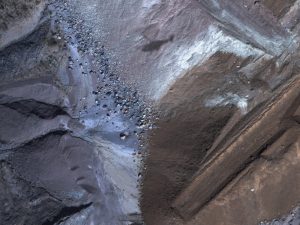
Build a compliant methane LDAR survey specification covering detection thresholds, methods, reporting, and supplier criteria.
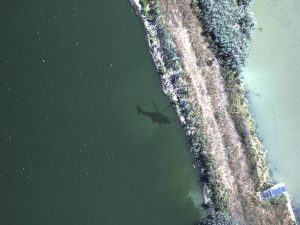
MERR requirements explained: what EU Methane Regulation demands from gas operators and which survey methods qualify.

EU Methane Regulation requires operators to verify, grade, and repair leaks fast. Here is exactly what happens next.
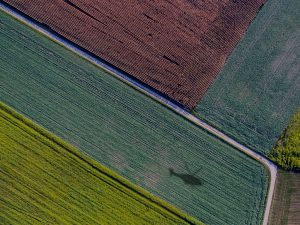
Five key questions every gas operator should ask before choosing a methane detection provider. Get it right.
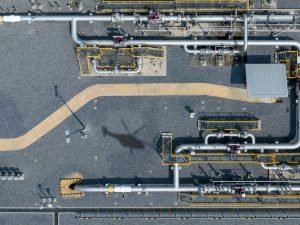
Aerial methane sensors tackle steep landfill slopes ground crews can't safely reach — here's how.
Damaged biogas membranes risk methane leaks, explosions, and EU regulatory fines — here's what operators need to know.
Quarterly isn't always enough — discover what triggers urgent landfill gas inspections and keeps operators compliant.
Airborne DIAL LIDAR detects landfill methane leaks fast — no ground crew, full coverage, certified results.
Aerial surveys cover hundreds of kilometers daily — ground patrols can't compete. Discover which method meets EU methane regulations.
Buried pipeline leaks are invisible above ground — surface area leak detection finds them before regulators do.