
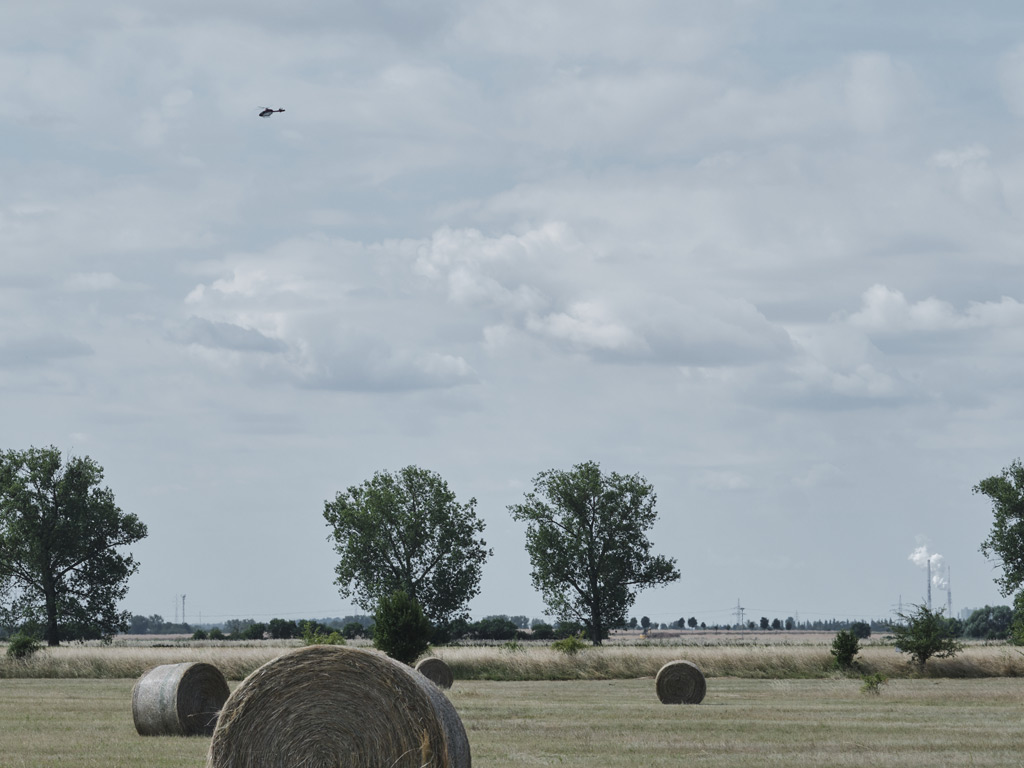
Natural gas pipelines are among the most durable pieces of infrastructure in the energy sector, but they are not built to last forever. Understanding how long a gas pipeline can realistically remain in service, and what determines that lifespan, is essential knowledge for grid operators, engineers, and anyone involved in pipeline safety. Whether you are planning a long-term maintenance strategy or simply trying to understand how your infrastructure ages, this guide walks through the key factors, warning signs, and inspection practices that shape a pipeline’s working life.
How long do natural gas pipelines typically last?
The lifespan of a natural gas pipeline depends heavily on the material it is made from, the pressure it operates under, the environment it runs through, and how well it has been maintained. Steel pipelines, which form the backbone of high-pressure transmission networks, are generally designed for a service life of 40 to 50 years under standard conditions. However, many pipelines in Europe and North America have been in operation for 60 years or more, thanks to rigorous maintenance and inspection programmes.
Plastic pipelines, commonly used in lower-pressure distribution networks, can last 50 years or longer when correctly installed. Cast iron pipes, which are found in older urban gas networks, tend to be more brittle and are increasingly being replaced as they reach the end of their serviceable life. The key point is that a pipeline’s age alone does not determine when it should be retired. Condition, not calendar years, is the primary measure of pipeline integrity.
What factors affect the lifespan of a gas pipeline?
Several variables interact to determine how long a gas pipeline remains safe and functional.
- Material and construction quality: High-grade steel and modern polyethylene pipes resist corrosion and mechanical stress far better than older materials like cast iron or bare steel.
- Operating pressure: Higher pressure accelerates wear on joints, welds, and any existing micro-defects in the pipe wall.
- Soil conditions: Acidic soils, moisture, and ground movement all contribute to external corrosion and mechanical stress on buried pipelines.
- Cathodic protection: Pipelines equipped with effective cathodic protection systems are significantly less vulnerable to electrochemical corrosion, which is one of the leading causes of premature pipeline degradation.
- Coating integrity: The protective coatings applied to steel pipelines act as the first line of defence against corrosion. Coating damage, whether from installation errors or ground movement, accelerates deterioration at the exposed points.
- Operational history: Pipelines that have experienced pressure surges, third-party damage, or inadequate maintenance tend to age faster than those managed under consistent, well-documented maintenance programmes.
Understanding these factors allows operators to make informed decisions about where to prioritise inspection resources and when to consider proactive replacement of vulnerable sections.
What are the signs that a natural gas pipeline is aging?
Aging pipelines do not always announce themselves with dramatic failures. More often, deterioration is gradual and can go unnoticed without systematic monitoring. Some of the most telling signs include:
- Increased leak frequency: A rise in the number of detected leaks along a pipeline corridor is one of the clearest indicators that the infrastructure is deteriorating. Even small leaks signal that the pipe wall or its joints are under stress.
- Corrosion pitting: During inspection, evidence of pitting corrosion on the pipe surface suggests that protective coatings or cathodic systems have been compromised.
- Pressure loss: Unexplained drops in line pressure can indicate developing leaks or structural weaknesses that have not yet been detected visually.
- Ground disturbance near the pipeline route: Subsidence, unusual vegetation growth, or frost heave above a buried pipeline can indicate that the pipe has shifted or that gas is escaping underground.
- Age of the infrastructure: While age alone is not definitive, pipelines approaching or exceeding their original design life warrant closer scrutiny and more frequent inspection intervals.
Recognising these signs early allows operators to intervene before a manageable maintenance issue becomes a safety incident or an unplanned service interruption.
How do pipeline operators detect leaks before they become dangerous?
Modern leak detection combines ground-based surveys, inline inspection tools, and airborne monitoring to build a comprehensive picture of pipeline condition. Each method has its strengths depending on the type of infrastructure and the scale of the network being monitored.
Ground-based surveys using handheld instruments are effective for localised checks, particularly around above-ground fittings and compressor stations. However, walking the full length of a buried high-pressure transmission pipeline on foot is time-consuming and impractical for large networks.
Inline inspection tools, sometimes called smart pigs, travel through the pipeline itself and measure wall thickness, detect corrosion, and identify weld anomalies. These tools provide highly detailed data but require the pipeline to be temporarily taken out of service or to be piggable by design.
Airborne leak detection has become an increasingly important part of the toolkit for large-scale pipeline networks. By surveying from a helicopter, operators can cover hundreds of kilometres per day and detect methane emissions from underground leaks without disrupting operations. This is particularly valuable for high-pressure steel transmission pipelines, where even the smallest physically possible leak at pressures above 5 bar produces a ground-level methane signal of around 300 ppm, which airborne sensors can reliably identify. You can learn more about what modern aerial pipeline inspection services involve and how they fit into a broader integrity management strategy.
The EU Methane Regulation has formalised these requirements by establishing mandatory Leak Detection and Repair (LDAR) programmes for pipeline operators. Type-2 inspections, which require detection down to 5 g/h or 1,000 ppm, must be conducted at regular intervals, with the first survey required by August 2025.
When should a natural gas pipeline be replaced or repaired?
The decision to repair or replace a pipeline section is rarely straightforward. It involves balancing the cost of intervention against the risk of continued operation, the remaining useful life of the asset, and the regulatory obligations in place.
Repair is typically the preferred option when a defect is localised, the surrounding pipe material is in good condition, and the repair can restore the pipeline to its original pressure rating. Sleeve repairs, weld overlays, and pipe clamps are common repair methods for steel pipelines.
Replacement becomes the more appropriate choice when:
- Corrosion or damage is widespread along a pipeline section rather than isolated to a single point
- The pipeline material is obsolete, such as cast iron in older urban networks
- Repeated repairs to the same section indicate systemic degradation
- Inspection data shows wall thickness has fallen below the minimum safe operating level
- The pipeline no longer meets current pressure or safety standards
Under the EU Methane Regulation, when a leak is detected above the relevant threshold, a repair obligation is triggered. All identified leaks, regardless of size, must be recorded and the records retained for at least 10 years. This regulatory framework reinforces the importance of acting promptly on inspection findings rather than deferring maintenance decisions.
How does regular inspection extend a pipeline’s service life?
Consistent, well-documented inspection is the single most effective tool for extending the working life of a gas pipeline. Inspections allow operators to catch developing problems early, when intervention is cheaper and less disruptive. They also generate the historical data needed to track deterioration rates, model remaining asset life, and plan capital expenditure more accurately.
Airborne surveys, in particular, enable operators to monitor entire pipeline networks systematically rather than relying on reactive responses to incidents. By identifying leaks and emission hotspots proactively, operators can prioritise repair work, reduce methane losses, and demonstrate compliance with regulatory requirements. Importantly, more sensitive inspection technology earns operators longer intervals between mandatory surveys. Under the EU Methane Regulation, pipelines inspected using Type-2 compliant technology can be surveyed once every three years rather than more frequently, making the investment in higher-quality inspection cost-effective over time.
Regular inspection also supports better asset management decisions. When operators have reliable, georeferenced data on the condition of their network, they can make evidence-based choices about where to invest in maintenance, where to plan replacements, and how to allocate resources across a large and geographically dispersed infrastructure portfolio. Explore the broader context of pipeline integrity management to understand how inspection fits into a long-term asset strategy.
How ADLARES helps extend the life of your gas pipeline network
We at ADLARES provide airborne methane leak detection services built specifically for the demands of large-scale gas pipeline networks. Our CHARM technology is the world’s only DVGW-certified system for aerial pipeline inspection, and the only airborne solution certified as Type-2 compliant under the EU Methane Regulation 2024/1787. Here is what working with us looks like in practice:
- High-sensitivity detection: CHARM detects emissions at a verified sensitivity of 300 ppm, three times more sensitive than the 1,000 ppm Type-2 threshold, ensuring reliable results under all allowable environmental conditions, not just ideal ones.
- Rapid large-scale coverage: Flying at up to 180 km/h at altitudes of 100 to 150 metres, we can survey extensive pipeline networks efficiently, with over 250,000 km of gas pipelines inspected across Europe to date.
- Fast, actionable reporting: Critical findings are communicated within 12 hours of landing. Standard gas reports, including GPS coordinates, aerial photos with measurement overlays, and wind data, are delivered within 10 working days via a secure Web GIS platform accessible on desktop and mobile.
- Regulatory compliance built in: Our surveys satisfy DVGW G465-4-5 requirements and qualify your underground pipelines for the three-year Type-2 inspection interval under the EU Methane Regulation, directly offsetting the cost of high-sensitivity technology.
- Grid-wide coverage, not just a line: Our measurement grid covers at least 10 metres either side of the pipeline centreline at a spatial resolution better than 2 metres, ensuring that underground plumes that migrate laterally before reaching the surface are reliably detected.
If you are responsible for a gas pipeline network and want to understand how airborne inspection can fit into your integrity management and regulatory compliance strategy, get in touch with our team to discuss your network and survey requirements.
Dieser Inhalt wurde mithilfe von KI erstellt und kann Fehler enthalten.