
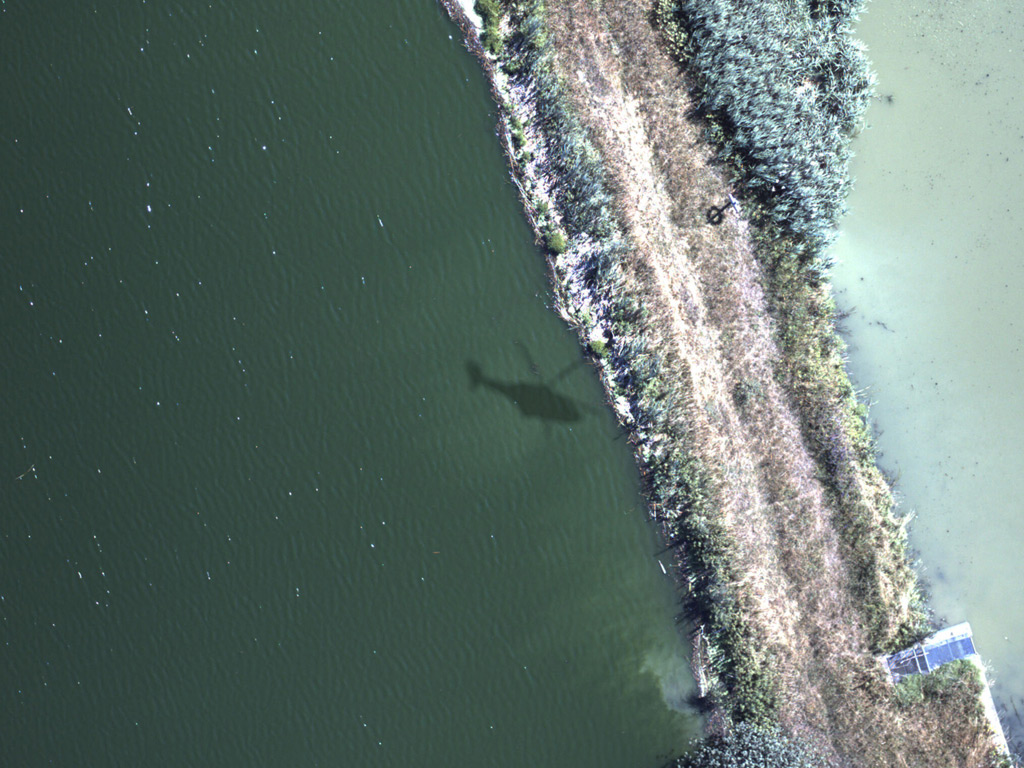
An LDAR program in gas transmission works by systematically detecting, recording, and repairing methane leaks across pipeline infrastructure through scheduled surveys, leak verification, and documented repair actions. Gas transmission operators use a combination of detection technologies, defined inspection intervals, and structured reporting workflows to stay compliant and reduce emissions. The sections below break down exactly how each part of the process works.
What steps make up a gas pipeline LDAR survey?
A gas pipeline LDAR survey follows a structured sequence: route planning, active leak detection along the pipeline corridor, recording of any gas indications with location data, verification of findings, and reporting results to the operator. Each step feeds into the next, creating a traceable, auditable record of the inspection.
The process typically begins with defining the survey scope, including which pipeline sections need to be covered and within what timeframe. Detection equipment is then deployed along the route, either from the ground or from the air, continuously scanning for methane concentrations above background levels. When an indication is found, its location is logged with GPS coordinates and measurement data.
After the survey, results are compiled into a report that documents every indication, its severity, and its location. Operators use this data to prioritise repairs and demonstrate compliance with their regulatory obligations. For large-scale pipeline inspection programs, results are often delivered through a digital platform so teams can access and act on findings quickly.
What equipment is used to detect methane leaks from pipelines?
Pipeline methane leak detection relies on several types of equipment, ranging from handheld flame ionisation detectors and optical gas imaging cameras used in ground-based surveys to laser-based remote sensing systems deployed from aircraft. The choice of equipment depends on the pipeline type, terrain, and the sensitivity required by the inspection standard.
Ground-based tools such as portable gas detectors and walking surveys are well established for close-range inspections at accessible above-ground components. For large transmission networks covering hundreds of kilometres, however, these methods are time-consuming and logistically demanding.
Laser-based airborne systems represent the most advanced approach for large-scale methane leak detection. Technologies using the Differential Absorption LIDAR (DIAL) method emit laser pulses at different wavelengths to identify methane concentrations by measuring how the gas absorbs specific wavelengths of light. This enables remote, non-contact detection across wide areas at high speed, without requiring physical access to the pipeline right-of-way.
How often must gas transmission operators conduct LDAR surveys?
Under EU Regulation 2024/1787, gas transmission operators are required to conduct LDAR surveys at defined intervals that are significantly shorter than previous national standards. For transmission pipelines, the regulation mandates regular inspections of above-ground components and introduces stricter timelines for underground equipment surveys as well.
In practice, the new EU Methane Regulation has nearly doubled inspection frequency for some categories of infrastructure compared to earlier requirements. This compression of survey intervals means that operators managing extensive networks must be able to cover large distances efficiently to remain compliant within the available time windows.
The regulation also distinguishes between different equipment types and pressure levels, with varying survey frequencies applying to each category. Transmission system operators are advised to review the specific provisions applicable to their infrastructure and plan their LDAR program schedules accordingly to avoid non-compliance penalties, which can reach up to 20% of annual turnover.
What is the minimum detectable leak rate in an LDAR program?
The minimum detectable leak rate in an LDAR program depends on the detection technology used, environmental conditions such as wind speed, and the altitude or distance from the source. High-sensitivity airborne laser systems can detect leakage rates from as low as 150 litres per hour under operational conditions, which is sufficient to identify significant leaks that would otherwise go undetected during standard ground patrols.
Ground-based instruments typically require closer proximity to the leak source to achieve comparable sensitivity, making them well-suited for component-level inspections but less practical for covering long pipeline corridors efficiently. Wind speed is a key variable in any detection scenario, as higher winds disperse the methane plume and can reduce the measurable concentration at the sensor.
For EU Methane Regulation compliance, the required detection sensitivity is defined by the Type 2 classification for underground equipment, which sets a threshold that advanced airborne systems are specifically designed to meet. Operators should confirm that their chosen survey method and equipment meet the regulatory sensitivity requirements before scheduling inspections.
What happens after a gas leak is detected during a survey?
After a gas leak is detected during an LDAR survey, the finding is classified by severity, its location is recorded with precise coordinates, and the operator is notified so that a ground crew can verify and repair the leak within the timeframe required by the applicable regulation or internal safety protocol.
The repair workflow typically follows these steps:
- Classification: The detected indication is assigned a severity level based on measured concentration and estimated leak rate.
- Verification: A ground team visits the location to confirm the leak using close-range equipment and assess the physical condition of the pipeline or component.
- Repair: The leak is repaired according to the operator’s maintenance procedures, with the method depending on the component type and operating pressure.
- Re-inspection: In many cases, a follow-up check confirms the repair was successful and that methane concentrations have returned to background levels.
- Documentation: All findings, repair actions, and re-inspection results are recorded to satisfy regulatory reporting requirements.
Timely documentation is critical. EU Methane Regulation requirements include transparency obligations, meaning operators must be able to demonstrate that detected leaks were addressed within the prescribed deadlines.
How does aerial LDAR compare to traditional ground-based inspection?
Aerial LDAR covers significantly more pipeline distance per day than ground-based inspection, making it far more efficient for large transmission networks. While ground-based methods offer higher resolution at individual components, airborne surveys provide a rapid, wide-area view of the entire pipeline corridor that ground teams simply cannot match in terms of speed or scale.
Coverage and speed
Helicopter-based laser systems can survey pipeline routes at speeds of up to 180 km/h, enabling hundreds of kilometres to be inspected in a single day. Ground patrols, by contrast, are limited by walking speed, road access, and terrain, making them impractical as the primary method for long-distance transmission pipelines under tightened inspection schedules.
Sensitivity and conditions
Modern airborne DIAL systems are capable of detecting leaks at very low thresholds even at operational flight altitudes of 100 to 150 metres, and can operate at wind speeds of up to 24 km/h. Ground-based tools can be more sensitive at close range but are affected by the same wind conditions and are also more susceptible to interference from vegetation, terrain, and access restrictions.
The two approaches are often complementary rather than competing. Aerial surveys efficiently identify the locations of potential leaks across large networks, while ground crews focus their verification and repair efforts on the specific points flagged by the airborne inspection.
How ADLARES supports your LDAR program in gas transmission
We provide gas transmission and distribution operators with a complete airborne LDAR solution built around our CHARM® technology, the world’s only DVGW-approved gas remote detection system. Whether you are working to meet the new EU Methane Regulation inspection intervals or scaling up an existing leak detection program, we offer the speed, sensitivity, and regulatory alignment your network requires.
Here is what working with us delivers:
- High-speed aerial surveys covering large pipeline networks efficiently, with inspection speeds of up to 180 km/h and detection sensitivity from 150 l/h
- EU Methane Regulation Type 2 compliance for underground equipment, backed by DVGW approval
- Precise leak localisation using the DIAL method, with GPS-tagged findings delivered for immediate follow-up
- Secure Web GIS platform giving your team desktop and mobile access to survey results, so you can verify indications and plan repairs without delay
- Over 250,000 km of pipeline inspected across Europe, serving transmission and distribution operators across multiple countries
If you are planning your next LDAR survey cycle or need to meet tightened inspection deadlines under the EU Methane Regulation, we are ready to help. Contact ADLARES to discuss your network’s requirements and find out how our airborne gas leak detection service can fit into your compliance program.
Dieser Inhalt wurde mithilfe von KI erstellt und kann Fehler enthalten.