
DVGW G501 requires gas operators to detect, locate, and document methane leaks on gas pipelines and infrastructure using approved remote or contact-based measurement methods. The standard sets out minimum detection thresholds, acceptable survey technologies, inspection frequencies, and reporting obligations for gas grid operators in Germany. Together, the sections below unpack each of these requirements in plain terms.
What does DVGW G501 actually require gas operators to measure?
DVGW G501 requires gas operators to measure methane emissions escaping from gas pipelines, fittings, valves, and above-ground installations. The goal is to identify leaks that exceed defined threshold levels so that operators can prioritize repair actions and document their infrastructure’s condition. The standard applies to both high-pressure transmission lines and lower-pressure distribution networks.
In practice, this means operators must carry out systematic leak surveys across their entire network at defined intervals. Measurements must be capable of detecting leakage rates at a level of sensitivity that reflects the risk profile of each pipeline segment. Operators are expected to record not just whether a leak exists, but its approximate location and, where possible, an indication of its magnitude. This measurement-based approach moves well beyond simple visual inspections and requires quantifiable data to back up compliance claims.
How does DVGW G501 define acceptable detection methods?
DVGW G501 defines acceptable detection methods as those capable of reliably identifying methane concentrations above the standard’s sensitivity thresholds, including both contact-based techniques and approved remote sensing technologies. The method chosen must be suitable for the pipeline type, installation depth, and operating environment being surveyed.
Contact-based methods include flame ionization detectors and catalytic combustion sensors carried by ground-based inspection teams walking along the pipeline route. These are effective but slow, particularly for long-distance transmission lines. Remote sensing methods, including laser-based airborne systems, are explicitly recognized where they meet the sensitivity and accuracy requirements set out in the standard. The key criterion is that whichever method is used, it must produce results that are reproducible, documented, and traceable to a recognized technical basis. DVGW certification of the technology or service provider is a strong indicator that a method meets these criteria.
What is the relationship between DVGW G501 and EU Methane Regulation Type 2?
DVGW G501 is the German technical standard for pipeline gas leak detection, while EU Methane Regulation Type 2 is a binding European legal framework that sets minimum requirements for detecting and reporting methane emissions across the midstream and downstream gas sector. The two are complementary: G501 defines the technical methodology, and the EU regulation defines the legal obligation to act on it.
For German gas operators, compliance with DVGW G501 provides a strong technical foundation for meeting the EU Methane Regulation’s Type 2 requirements for underground equipment. The EU regulation demands that operators move from estimated emissions to measurement-based reporting, which aligns directly with what G501 has required at the national level for years. Operators who already follow G501 will find that upgrading their programs to satisfy EU requirements is a matter of scope and documentation rather than a complete overhaul of methodology. In 2026, with EU reporting obligations firmly in force, this alignment has become practically significant for compliance managers across Europe.
How often must gas pipelines be surveyed under DVGW G501?
DVGW G501 sets inspection frequencies based on pipeline operating pressure and risk classification. High-pressure transmission pipelines typically require more frequent surveys than lower-pressure distribution lines, with intervals ranging from annual inspections to multi-year cycles depending on the segment’s risk profile.
The standard allows operators to adjust survey frequency based on the results of previous inspections. A pipeline segment with a clean history and low-risk characteristics may qualify for extended intervals, while segments with prior leak indications or higher consequence areas require more frequent attention. This risk-based approach gives operators flexibility, but it also places a documentation burden on them to justify any deviation from default intervals. Operators using aerial pipeline survey services can cover large network sections efficiently within a single campaign, making it easier to maintain compliant inspection cycles without excessive cost or disruption.
What documentation does DVGW G501 require after a survey?
After a survey, DVGW G501 requires operators to produce a written inspection report that records the date and scope of the survey, the detection method used, the location of any identified gas indications, and the follow-up actions taken or planned. This documentation must be retained and made available for regulatory review.
The report must be detailed enough to allow a third party to verify that the inspection was carried out correctly and that all identified leaks were addressed in line with the standard’s repair priority categories. Gas indications are typically classified by severity, and the documentation must show that higher-priority leaks were repaired within the required timeframe. Geo-referenced survey data, such as that delivered through a web-based GIS platform, strengthens the audit trail considerably by providing a spatial record that correlates directly with the pipeline route.
Which gas infrastructure types fall under DVGW G501 scope?
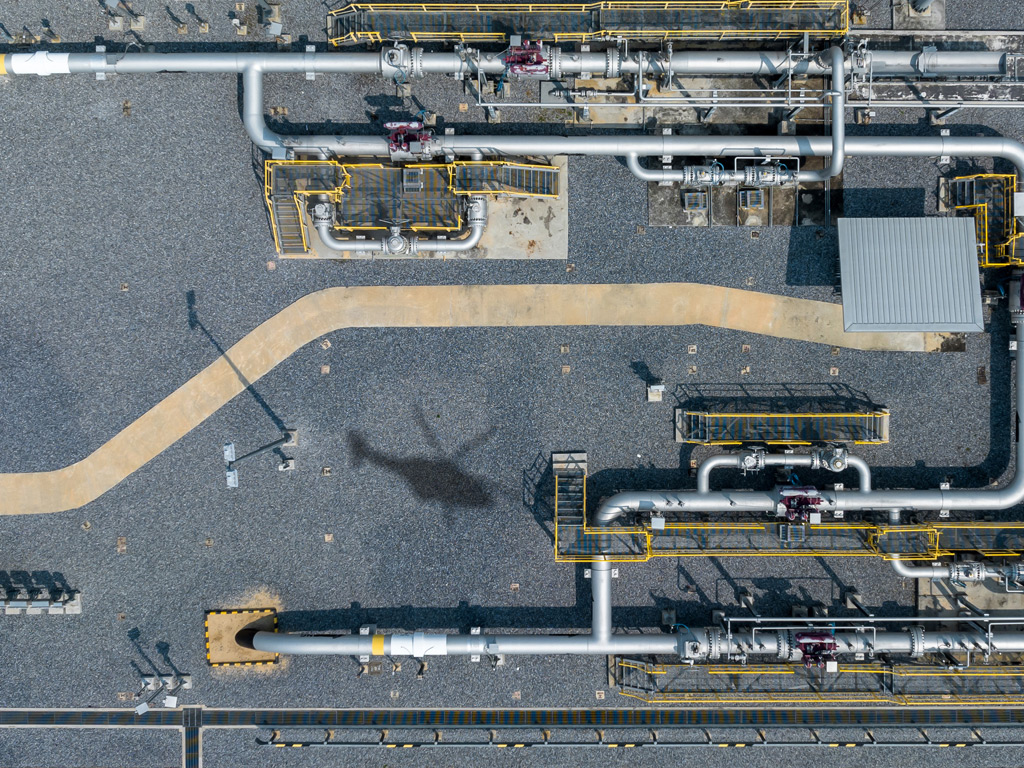
DVGW G501 applies to gas pipelines operating at all pressure levels, from high-pressure transmission networks to medium and low-pressure distribution systems. It also covers above-ground installations connected to these pipelines, including valve stations, pressure regulation points, and metering facilities.
Underground pipelines form the core of the standard’s scope, since buried infrastructure presents the greatest challenge for leak detection and carries the highest risk of undetected emissions. Above-ground components are generally easier to inspect using contact methods, but they fall within the same documentation and repair obligation framework. Storage facilities and compressor stations connected to transmission networks may also fall under related DVGW technical rules that reference G501 methodology. Operators managing mixed infrastructure portfolios should map their assets carefully against the standard’s scope definitions to ensure no segment is inadvertently excluded from their inspection program. More detail on how different asset types interact with gas infrastructure compliance requirements is worth reviewing as part of any program design.
How ADLARES supports DVGW G501 compliance
We provide airborne gas leak detection services that are purpose-built to meet the technical requirements of DVGW G501 and the EU Methane Regulation Type 2. Our CHARM® technology is the world’s only DVGW-approved airborne gas remote detection system, making it one of the very few aerial methods operators can rely on to satisfy both German and European regulatory standards without ambiguity.
Here is what working with us looks like in practice:
- High-sensitivity detection: CHARM® detects leakage rates from 150 l/h at wind speeds of up to 24 km/h, meeting the sensitivity thresholds required for underground equipment under Type 2 standards.
- Rapid wide-area coverage: Our helicopter surveys operate at up to 180 km/h, allowing large pipeline networks to be inspected within tight operational windows.
- GIS-based reporting: Survey results are delivered through a secure Web GIS platform, giving your team geo-referenced leak indications and the documentation trail DVGW G501 requires for audit purposes.
- Survey data analysis: Our survey data analysis and reporting service turns raw measurement data into structured, verifiable records that support both internal governance and third-party verification.
- Proven track record: Over 250,000 km of gas pipelines inspected across Europe since 2008, with active clients among major transmission and distribution operators.
If you are planning your 2026 inspection program or need to demonstrate compliance with DVGW G501 or the EU Methane Regulation, get in touch with our team to discuss how we can support your network.
Dieser Inhalt wurde mithilfe von KI erstellt und kann Fehler enthalten.