
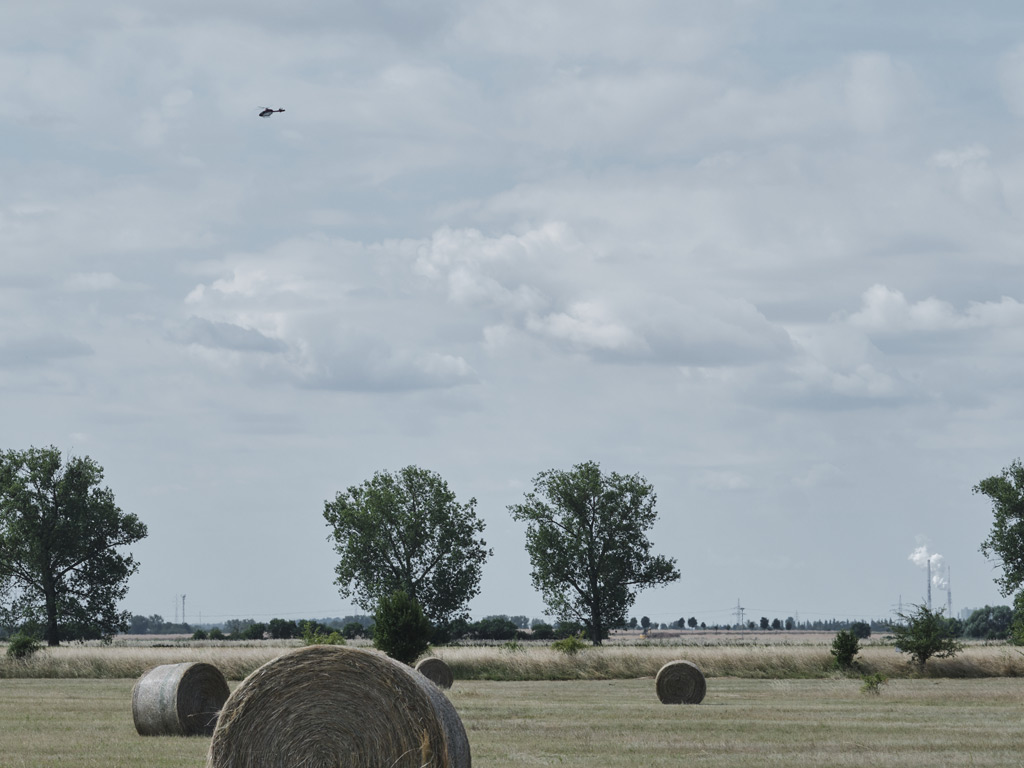
Methane is one of the most talked-about gases in the climate conversation, yet many people are still unclear about what it actually is, where it comes from, and why it matters so much. Whether you work in the energy sector, follow environmental policy, or are simply curious about the science behind climate change, understanding methane is increasingly important. As regulations tighten and the energy industry faces growing pressure to reduce emissions, methane has moved from a background concern to a front-page issue.
What is methane and where does it come from?
Methane, with the chemical formula CH4, is the simplest hydrocarbon: one carbon atom bonded to four hydrogen atoms. It is a colorless, odorless gas at room temperature and the primary component of natural gas, making up roughly 70 to 90 percent of what flows through gas pipelines across Europe and beyond.
Methane occurs both naturally and as a result of human activity. Natural sources include:
- Wetlands: Decomposing organic matter in waterlogged environments releases large quantities of methane
- Geological seeps: Methane escapes from the earth’s crust through natural fissures and vents
- Oceans: Microbial activity on the seafloor produces and releases methane
Human-caused, or anthropogenic, sources are equally significant and include:
- Oil and gas production and distribution: Leaks from pipelines, compressor stations, and storage facilities
- Agriculture: Livestock digestion (enteric fermentation) and manure management
- Landfills: Decomposing organic waste generates methane underground
- Coal mining: Methane trapped in coal seams escapes during extraction
The oil, gas, and coal sectors are now subject to specific EU-level legislation targeting their methane emissions, reflecting how significant these industries are as sources of the gas.
Why is methane harmful to the climate?
Methane is a potent greenhouse gas. Like CO2, it traps heat in the atmosphere, but it does so far more aggressively over a shorter timeframe. This makes reducing methane emissions one of the fastest levers available for slowing near-term climate change.
When methane is released into the atmosphere, it absorbs infrared radiation that would otherwise escape into space. This warming effect contributes directly to rising global temperatures, disrupted weather patterns, and the broader cascade of consequences associated with climate change. The energy sector is a particularly important area of focus because pipeline leaks and equipment failures can release substantial volumes of methane continuously and undetected without proper monitoring in place.
Beyond its direct warming effect, methane also contributes to the formation of ground-level ozone, a secondary air pollutant with harmful effects on human health and crop yields.
What’s the difference between methane and CO2 as greenhouse gases?
Carbon dioxide and methane are both greenhouse gases, but they behave quite differently in the atmosphere. The key distinctions come down to potency and persistence.
CO2 is extremely long-lived in the atmosphere, persisting for hundreds to thousands of years. Its warming effect accumulates over very long timescales, making it the dominant driver of long-term climate change.
Methane, by contrast, has a much shorter atmospheric lifetime of around 10 to 12 years. However, over a 20-year period, methane is more than 80 times more potent as a warming agent than CO2. Even over a 100-year timeframe, it is approximately 28 to 30 times more powerful, according to widely accepted climate science assessments.
This distinction matters enormously for climate strategy. Reducing CO2 is essential for long-term stabilization of the climate. But cutting methane emissions delivers faster, more immediate reductions in warming. For industries like oil and gas, where methane leaks can be identified and repaired, this represents a significant opportunity to make a meaningful near-term impact on the climate trajectory.
How does methane get released from gas pipelines?
Gas pipelines are among the most important sources of anthropogenic methane emissions, and leaks can occur in several ways. Understanding how methane escapes helps explain why detection and monitoring programs are so critical.
Common causes of pipeline methane release include:
- Corrosion: Over time, metal pipes degrade, developing small holes or cracks through which gas escapes
- Mechanical damage: Ground movement, construction activity, or third-party interference can damage pipe integrity
- Faulty joints and fittings: Connections between pipe sections can loosen or fail, particularly in older infrastructure
- Pressure fluctuations: Sudden changes in operating pressure can stress pipe materials and accelerate wear
- Material fatigue: Long-term stress on pipeline materials leads to micro-fractures that gradually worsen
A particularly challenging aspect of underground pipeline leaks is that the gas does not always emerge directly above the leak point. Research by institutions such as the Engler-Bunte Institute demonstrates that gas travels through the soil before reaching the surface, meaning the visible emission area can be displaced from the actual leak location. This makes surface-level detection genuinely complex and explains why broad-area scanning methods are more reliable than point-by-point inspection along a single line.
How is methane detected and measured in the environment?
Methane detection has evolved considerably over recent decades, moving from manual ground-level surveys to sophisticated remote sensing technologies capable of covering large areas quickly and accurately.
Common detection methods include:
- Handheld gas detectors: Technicians walk along pipeline routes carrying instruments that measure local methane concentration. These are thorough but slow and labor-intensive
- Optical Gas Imaging (OGI) cameras: Infrared cameras visualize gas clouds invisible to the naked eye. Effective for above-ground equipment but limited in range
- Satellite monitoring: Newer satellite platforms can detect large emission plumes from orbit, useful for identifying major sources but limited in resolution for smaller leaks
- Airborne laser-based detection: Helicopter or drone-mounted systems using laser technology can cover extensive pipeline networks rapidly while maintaining high sensitivity
For reliable detection of underground pipeline leaks specifically, the measurement approach matters as much as the technology itself. Studies show that a detection system must scan a grid of points covering at least 10 meters on either side of the pipeline centerline, with spatial resolution better than 2 meters, to reliably capture the widened plume that emerges from underground leaks. A system that only measures directly above the pipe will miss real leaks. You can learn more about how airborne pipeline inspection services address these challenges in practice.
What regulations exist to control methane emissions from pipelines?
Regulatory pressure on methane emissions has intensified significantly in recent years, particularly within the European Union. The landmark EU Methane Regulation (Regulation EU 2024/1787) entered into force on 4 August 2024 as part of the EU’s „Fit for 55“ climate package. It is the first piece of EU legislation specifically targeting direct methane emissions from the oil, gas, and coal sectors.
The regulation establishes a staged compliance timeline with clear milestones:
- 2025: The first reporting cycle began, with operators required to initiate Leak Detection and Repair (LDAR) plans and perform their first Type-2 LDAR surveys
- 2027: Importers must demonstrate that contracts concluded or renewed after August 2024 cover only gas subject to equivalent monitoring and reporting standards
- 2028: All EU assets must achieve OGMP 2.0 Level 5, requiring source-level measurement rather than estimate-based reporting
- 2030: Imported natural gas must meet a methane intensity limit set by the European Commission
The regulation distinguishes between two inspection classes. Type-1 inspections require a detection limit of 17 g/h and are suitable for optical gas imaging cameras and handheld tools. Type-2 inspections require a more sensitive detection limit of 5 g/h, but in exchange, underground pipelines only need to be surveyed once every three years rather than more frequently. This structure creates a direct incentive for operators to invest in higher-sensitivity technology.
Until a forthcoming Implementing Act defines specific detection thresholds, Article 14(7) of the regulation requires operators to use the best available technologies and detection techniques. Third-party certification, such as DVGW G465-4-5, currently satisfies this standard. The regulation also requires operators to record all identified leaks regardless of size and retain those records for at least 10 years. The broader framework follows the Oil and Gas Methane Partnership 2.0 (OGMP 2.0) guidelines, pushing toward transparent, harmonized reporting across all EU member states. For a deeper look at how these requirements shape inspection programs, explore the ADLARES approach to methane compliance.
How ADLARES Helps Operators Manage Methane Emissions
We developed CHARM® (CH4 Airborne Remote Monitoring) specifically to meet the demands that modern methane regulation places on pipeline operators. As the world’s only DVGW-certified aerial gas detection system and a fully Type-2 compliant solution under EU Methane Regulation 2024/1787, CHARM® gives operators the tools they need to inspect efficiently, report accurately, and stay ahead of tightening compliance requirements.
Here is what working with us looks like in practice:
- High-speed aerial surveys: Our helicopters fly at up to 180 km/h at 100 to 150 meters altitude, covering large pipeline networks far faster than ground-based methods
- Wide-area scanning: CHARM® captures 1,000 measurement points per second across an adjustable scan swath, ensuring full grid coverage on both sides of the pipeline rather than a single line of measurements
- Exceptional sensitivity: The system reliably detects leakage rates from 150 l/h even at wind speeds up to 24 km/h, satisfying the Type-2 threshold of 5 g/h required under the EU Methane Regulation
- Secure results delivery: Survey findings are delivered through a secure Web GIS platform accessible on desktop and mobile, enabling your team to verify and act on gas indications immediately
- Proven track record: We have inspected over 250,000 km of gas pipelines for grid operators across Europe since 2008
Whether you are preparing for your first Type-2 LDAR survey, working toward OGMP 2.0 Level 5 compliance by 2028, or simply looking for the most reliable way to protect your infrastructure and reduce emissions, we are ready to help. Get in touch with our team to discuss how CHARM® can support your pipeline inspection program.
Dieser Inhalt wurde mithilfe von KI erstellt und kann Fehler enthalten.