How do you achieve sufficient pipeline coverage under DVGW G501?
Master DVGW G501 pipeline coverage: approved survey methods, pressure-class intervals, and dual compliance with EU Methane Regulation explained.


Master DVGW G501 pipeline coverage: approved survey methods, pressure-class intervals, and dual compliance with EU Methane Regulation explained.
EU Methane Regulation mandates annual LDAR surveys — here's exactly when and how gas operators must schedule G501-compliant inspections.
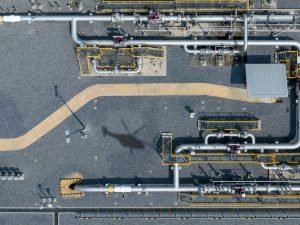
Only one aerial system holds DVGW G501 approval. Find out what compliance actually demands — and why it matters.
DVGW G501 inspection failure means mandatory repairs, fines, and rising EU Methane Regulation risk — here's what operators must do next.

Master DVGW G501 pipeline inspection prep — from 8-week documentation checklists to airborne LIDAR compliance. Start here.
DVGW G501 is the only approved airborne gas detection standard — and in 2026, operating without it carries serious regulatory consequences.
DVGW G501 is Europe's only standard certifying gas detection technology — not just inspection processes. Here's what compliance managers must know.
DVGW G501 mandates methane leak detection across all gas pipeline types — here's exactly what operators must measure, report, and prove.
DVGW G501 defines gas leak detection standards — here's what compliance means for operators navigating EU methane rules.
DVGW G501 sets strict inspection intervals, detection thresholds, and documentation rules — here's exactly what compliance requires.