Why is methane leak detection important for gas distribution companies?
Undetected methane leaks cost gas companies revenue, safety, and regulatory fines — here's what modern detection demands.

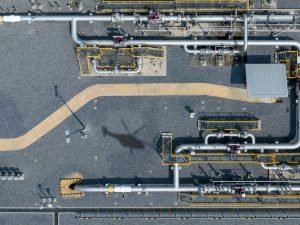
Undetected methane leaks cost gas companies revenue, safety, and regulatory fines — here's what modern detection demands.
Discover how LDAR programs reduce methane leaks, avoid costly penalties, and lower operational expenses for gas network operators.
MERR 2026 LDAR rules bind EU gas operators to tighter survey cycles, detection thresholds, and penalties reaching 20% of turnover.

MERR sets strict LDAR survey intervals for gas operators — here's what compliance actually demands.
EU Methane Regulation sets strict repair timelines — learn how gas operators should classify and prioritize leaks before fines hit 20% of turnover.
OGI cameras visualize gas plumes remotely, while sniffing probes measure concentration on contact — discover which LDAR method fits your pipeline compliance needs.
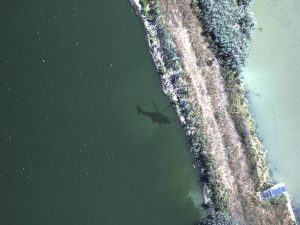
Discover how gas transmission LDAR programs systematically detect methane leaks—from aerial surveys to EU compliance.
EU Regulation 2024/1787 reshaped LDAR compliance — here's how to build a program that meets every requirement.
From handheld detectors to airborne DIAL systems, discover which LDAR technologies meet EU methane compliance in 2026.
EU Regulation 2024/1787 makes LDAR mandatory for gas operators — discover what compliance really demands.