How do operators verify methane emission reductions after leak repair?
Operators confirm methane leak repairs using aerial DIAL re-surveys and ground checks—here's what EU compliance requires.

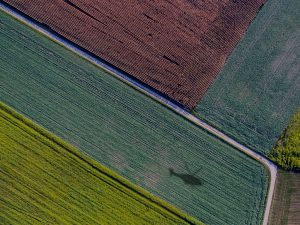
Operators confirm methane leak repairs using aerial DIAL re-surveys and ground checks—here's what EU compliance requires.
Near-field precision or far-field coverage? Discover which methane detection method protects your pipeline compliance in 2026.
Airborne methane inventories turn flight data into regulation-grade emission totals — here's exactly how.
Aerial methane surveys use DIAL technology and wind-corrected data to detect, locate, and prioritise emission hotspots across pipeline networks.
Discover how airborne DIAL surveys map landfill methane leaks faster and more accurately than ground methods ever could.
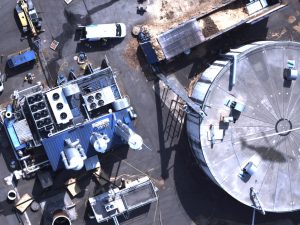
Wind speed, geometry, and plume integration unlock accurate methane emission rates — here's exactly what data you need.
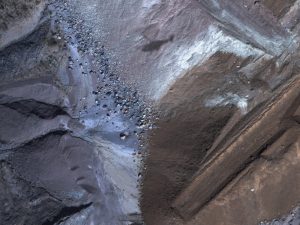
Partial biogas membrane inspections miss hidden leaks — here's why full-coverage DIAL detection is now essential for EU compliance.
EU methane rules are reshaping landfill compliance — discover why airborne detection is replacing traditional surveys in 2026.
Large-site methane inspections demand careful planning—discover the key steps, regulatory requirements, and detection methods that ensure compliance.

Cover failures cause disproportionate landfill methane emissions — here's how operators can detect and fix them.