
Gas pipelines are some of the most critical infrastructure in the world, quietly delivering energy across thousands of kilometres every day. Keeping them safe, efficient, and environmentally compliant is not a simple task. That is where pipeline integrity management comes in. Whether you are a grid operator, a regulator, or simply someone curious about how the gas industry keeps its infrastructure in check, understanding what pipeline integrity management involves and why it matters is increasingly relevant in 2026, as European methane regulations tighten and inspection standards evolve.
What is pipeline integrity management?
Pipeline integrity management is a systematic approach to ensuring that gas pipelines operate safely, reliably, and within regulatory requirements throughout their entire service life. At its core, it involves identifying potential threats to a pipeline, assessing the risks those threats pose, and taking appropriate action to prevent failures before they happen. Rather than reacting to incidents after the fact, integrity management is a proactive discipline built on continuous monitoring, structured inspection, and documented decision-making.
A Pipeline Integrity Management System (PIMS) formalises this approach into a repeatable framework. It brings together data from inspections, operational records, maintenance history, and environmental conditions to give operators a comprehensive picture of their pipeline network’s health at any given moment.
Why is pipeline integrity management important for gas operators?
The consequences of pipeline failure go well beyond financial loss. A breach in a high-pressure gas pipeline can endanger lives, damage ecosystems, and result in significant methane emissions into the atmosphere. For gas operators, the stakes of poor integrity management are both operational and reputational.
From a gas pipeline safety perspective, integrity management is the primary defence against corrosion, material fatigue, third-party damage, and ground movement, all of which can compromise a pipeline over time. Without a structured programme in place, small defects that could have been caught early can develop into serious failures.
There is also a growing regulatory dimension. European legislation now requires operators to demonstrate active leak detection and repair programmes, with documented evidence of compliance. Operators who cannot show that their pipelines are being inspected to the required standard face not only legal risk but also the prospect of more frequent and costly mandatory surveys.
What are the main components of a pipeline integrity program?
A well-designed pipeline integrity program typically includes several interconnected elements that work together to maintain safe pipeline operation:
- Threat identification: Recognising all potential causes of pipeline degradation, including internal corrosion, external corrosion, stress corrosion cracking, mechanical damage, and geotechnical hazards.
- Risk assessment: Evaluating the likelihood and consequence of each identified threat, allowing operators to prioritise resources where they are needed most.
- Inspection and monitoring: Deploying appropriate inspection technologies, from in-line inspection tools to aerial leak detection, to gather accurate data on pipeline condition.
- Data management: Centralising and analysing inspection results, maintenance records, and operational data to support informed decision-making.
- Repair and mitigation: Acting on inspection findings within defined timeframes, with documented repair records retained for regulatory purposes.
- Performance review: Regularly evaluating the effectiveness of the integrity programme and updating it as new data, technologies, or regulations emerge.
Each of these components depends on the others. Inspection without proper data management produces findings that cannot be acted on effectively. Risk assessment without accurate inspection data leads to misallocated resources. A strong programme integrates all elements into a continuous cycle of improvement.
How does pipeline leak detection work in integrity management?
Pipeline leak detection is one of the most operationally critical elements of any integrity programme. For underground gas pipelines, detecting a leak early, before it escalates, requires methods capable of identifying very small emissions under realistic operating conditions.
Ground-based methods, such as walking surveys with hand-held instruments, have long been the standard approach. These tools measure methane concentration at or near the soil surface and can be effective on accessible routes. However, they are time-intensive and can be impractical for large or difficult-to-access pipeline networks.
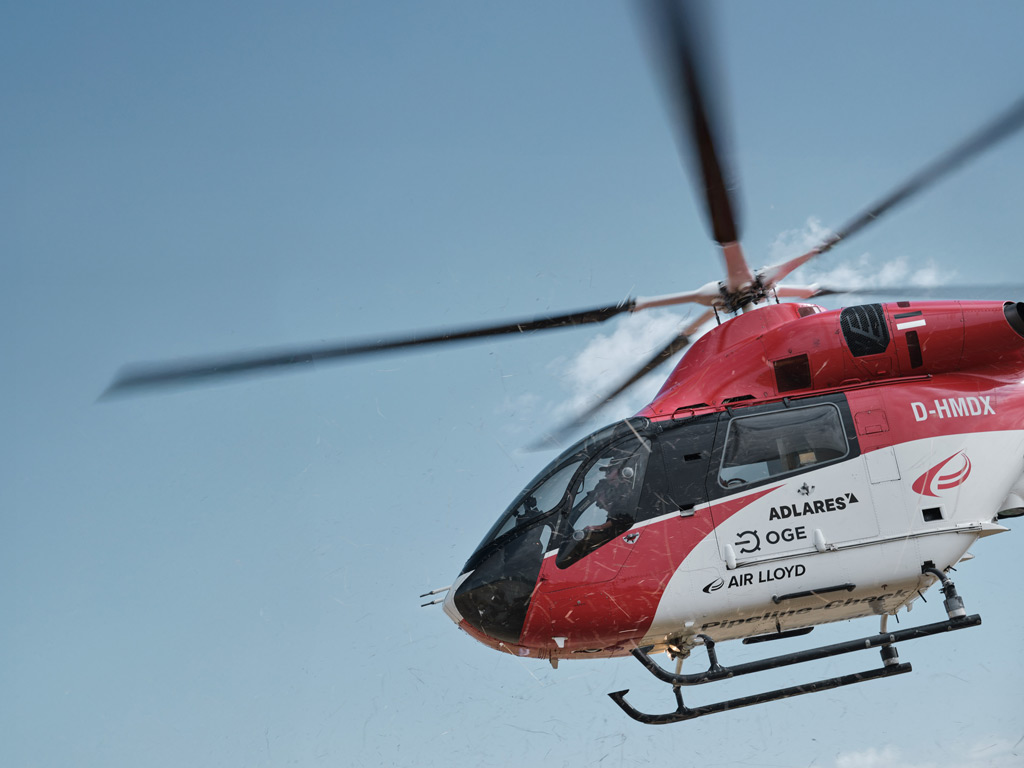
Aerial leak detection offers a faster alternative, particularly for high-pressure transmission pipelines covering long distances. Laser-based systems mounted on helicopters can scan hundreds of kilometres in a single day, identifying methane emissions from above without disrupting pipeline operations. The physical minimum leak rate in steel pipes operating above 5 bar is approximately 150 litres per hour, which is determined by material properties and pressure gradients rather than by any commercial or regulatory choice. Detection systems used for integrity purposes need to be capable of reliably identifying emissions at or below this threshold under real operating conditions, not just in controlled laboratory settings.
Quality assurance is equally important in aerial detection. Sensor sensitivity alone is not sufficient. Operators also need verified proof that measurements were actually taken along the pipeline route, with documented compliance with operational limits such as altitude, airspeed, and wind speed. Coverage verification and geo-referenced position data are essential components of a credible pipeline inspection service.
What regulations govern pipeline integrity management in Europe?
European pipeline operators now work within an increasingly structured regulatory environment. The EU Methane Regulation (2024/1787) introduced mandatory Leak Detection and Repair (LDAR) programmes for underground pipelines and above-ground infrastructure, including compressor stations, tanks, and measurement and control stations.
Under this framework, operators were required to establish an LDAR plan and conduct their first Type-2 LDAR survey by August 2025. The regulation distinguishes between two inspection types based on detection sensitivity. Type-2 inspection, which requires detection capability down to 5 g/h or 1,000 parts per million for underground components, allows operators to extend their inspection intervals to once every three years. Type-1 inspection, using less sensitive methods, requires more frequent surveys.
Beyond the inspection itself, all identified leaks must be recorded regardless of their size, and those records must be retained for at least ten years. By August 2028, all EU assets must achieve OGMP 2.0 Level 5 compliance, covering both operated and non-operated assets. The regulation also extends obligations to importers, who must demonstrate from January 2027 that contracts concluded or renewed after August 2024 cover only gas subject to equivalent monitoring and verification standards.
In Germany, the DVGW G465-4-5 standard (formerly G501) sets the technical benchmark for aerial pipeline inspection. It is the only technical standard of its kind in the world, requiring a minimum detection threshold of 150 litres per hour, an 80% detection probability demonstrated across five flyovers, and binding operational limits for altitude, airspeed, and wind speed. Certification under this standard is not limited to ideal conditions but defines the full range within which a system may be operated.
How often should gas pipelines be inspected for integrity?
Inspection frequency depends on several factors, including pipeline age, material, operating pressure, environmental conditions, and the sensitivity of the inspection technology being used. Under the EU Methane Regulation, the detection capability of the chosen technology directly determines the allowable interval between surveys.
For operators using Type-2 certified aerial detection technology, underground pipelines can be inspected once every three years. This extended interval is the regulatory reward for investing in more sensitive equipment. Operators using less sensitive Type-1 methods face shorter intervals, which over time can offset any initial cost savings from choosing a lower-specification inspection approach.
Outside of regulatory minimums, operators may choose to inspect more frequently based on risk assessments, historical leak data, or changes in the operating environment. Newly commissioned pipelines, pipelines running through geologically active zones, or sections with a history of third-party interference may warrant shorter inspection cycles regardless of what the regulation requires.
Good pipeline maintenance practice treats inspection intervals as a starting point rather than a ceiling. The goal of an integrity programme is not to do the minimum required but to maintain a level of confidence in pipeline condition that allows safe, uninterrupted operation. Choosing the right inspection technology and frequency is a key part of achieving that goal. You can learn more about how inspection services fit into a broader integrity strategy by visiting our main services overview.
How ADLARES supports your pipeline integrity management
At ADLARES, we provide a full-service aerial inspection solution built specifically for the demands of modern pipeline integrity management. Our CHARM® technology is the world’s only DVGW-certified airborne gas detection system, and it is the only aerial inspection method certified as Type-2 compliant under the EU Methane Regulation. Here is what that means in practice for your integrity programme:
- High sensitivity with regulatory headroom: CHARM® reliably detects emissions forming 300 ppm in a 2 by 2 square metre area just above the surface, three times more sensitive than the 1,000 ppm Type-2 threshold, ensuring dependable detection under all allowable environmental conditions.
- Active pipeline tracking: Our unique tracking system keeps the scanning swath centred on the pipeline with average precision better than 0.5 metres, automatically compensating for helicopter roll and motion in real time.
- In-flight quality assurance: Coverage is monitored as a live parameter during every flight. Any section that deviates from quality criteria is flagged and re-flown before the survey is signed off.
- Three-year inspection intervals: Because CHARM® meets Type-2 requirements, your underground pipelines qualify for the maximum three-year inspection interval, directly offsetting the investment in higher-quality technology.
- Complete survey documentation: Results are delivered via a secure Web GIS platform accessible on desktop and mobile, with geo-referenced position data, operational parameter records, and filtered reports that distinguish genuine pipeline leaks from non-relevant emissions such as biogas or wastewater sources.
Our experienced team has inspected over 250,000 kilometres of gas pipelines across Europe since 2008, working with grid operators to meet their integrity and compliance obligations efficiently. If you would like to find out how CHARM® can fit into your pipeline integrity programme, get in touch with us today and we will walk you through what a survey looks like for your network.
Dieser Inhalt wurde mithilfe von KI erstellt und kann Fehler enthalten.